Flip a Japanese Pokemon card over and the rarity tell isn’t a guess — it’s printed on the card. Look for a small symbol or bolded letter near the card number, then check that number against the set’s stated total. Those two checks, done in that order, are enough to place almost any Japanese card into a rarity tier without needing to look anything up.
This guide walks through the base three-tier system, the letter codes that replaced it for higher tiers, the physical cues that back the letters up, and a card-number trick that flags secret- and hidden-rare-tier cards on sight. It’s a practical, at-a-glance walkthrough — for a broader reference covering more rarity symbols and letters, see our rarity symbol reference.
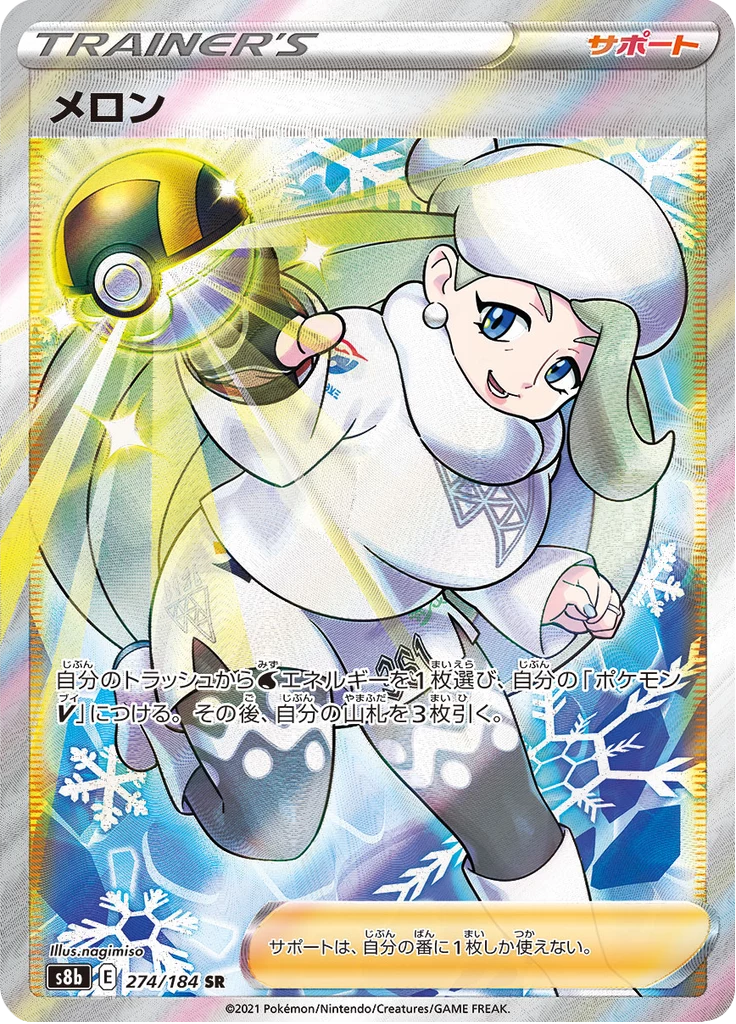
Japanese expansion cards commonly mark rarity with a symbol or bolded letter code near the card number — nine letter codes are covered in the verified examples for this guide. A second, independent tell: if the printed card number is higher than the set’s stated total, you’re holding a secret- or hidden-rare-tier card, as with the PSA10 MEGA Gardevoir ex MA 226/193 (update: currently sold out — restock requests via Quick Order) in a 193-card-numbered set. Rarity tier and price are related but separate questions — see below before assuming one predicts the other. A more everyday example, the PSA10 Melony 274/184 SR (update: currently sold out — restock requests via Quick Order), is currently listed at ¥7,920 (~$50).
Yen figures below convert at ¥159/USD (September 2026). Prices are a store snapshot — check the linked listing for the current number before ordering.
The Three-Tier Base: Common, Uncommon, Rare
Non-promotional cards released in Japanese expansion packs generally carry a set rarity, while promotional cards, Basic Energy, and some deck cards can use a promo mark, another fixed mark, or no rarity mark. The older symbol-based system starts with Common (circle), Uncommon (diamond), and Rare (star); modern Japanese higher tiers instead use bold letter abbreviations such as SR and UR. (Source: Bulbapedia’s Rarity entry.)
Two changes sit on top of that base system today. First, starting with the Black Collection and White Collection era, Japan began printing bolded letter abbreviations — codes such as SR, UR, and HR — instead of symbols for the higher tiers, which is where the letter codes in the next section come from. Second, when the Scarlet & Violet expansion launched, English-language releases adopted the same underlying rarity scale Japan already used, while continuing to print pictorial symbols on the English card itself rather than switching to letters. If a Japanese card and its English counterpart from the same era look like they’re using different systems, that’s why.
The Letter Codes Worth Recognizing at a Glance
Cross-referenced against our own live product titles, nine letter codes show up regularly on modern Japanese cards: SR, SAR, AR, CSR, CHR, HR, UR, RR, and MA. Each one marks a chase-tier slot from a specific era rather than a universal rank — for what each letter decodes to, which era introduced it, and how it compares to its neighbours, our rarity symbol reference covers the full table so this guide doesn’t need to repeat it.
What’s useful here is seeing four of those codes on real, currently-listed cards:
| Card | Letter code | Listed price |
|---|---|---|
| PSA10 Melony 274/184 (update: currently sold out — restock requests via Quick Order) | SR | ¥7,920 (~$50) (update: currently sold out — restock requests via Quick Order) |
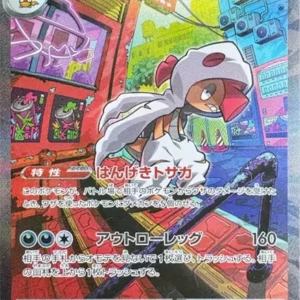
| PSA10 MEGA Scrafty ex 241/193 | SAR | ¥7,634 (~$48) |
| PSA10 MEGA Gardevoir ex 226/193 (update: currently sold out — restock requests via Quick Order) | MA | ¥5,610 (~$35) (update: currently sold out — restock requests via Quick Order) |
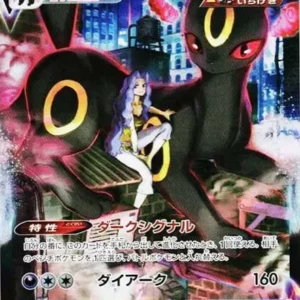
| PSA10 Umbreon VMAX 245/184 | CSR | ¥34,676 (~$218) |
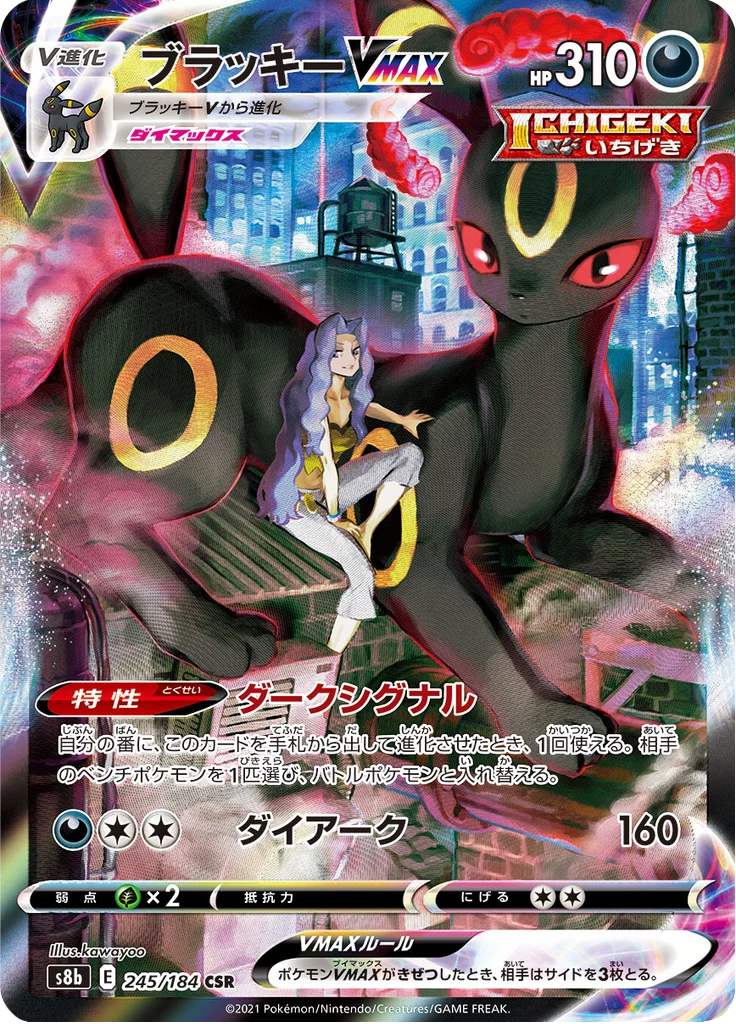
Physical Tells: Mark Placement and Foil Finish
The exact spot the rarity mark prints varies by set — bottom corner, side edge, or tucked near the illustration border — so the fastest way to place a card you’re holding is to compare it against a photo of a Japanese card from the same generation, not to memorise one universal position. A graded slab doesn’t hide the mark either; it’s part of the print, visible straight through the case.
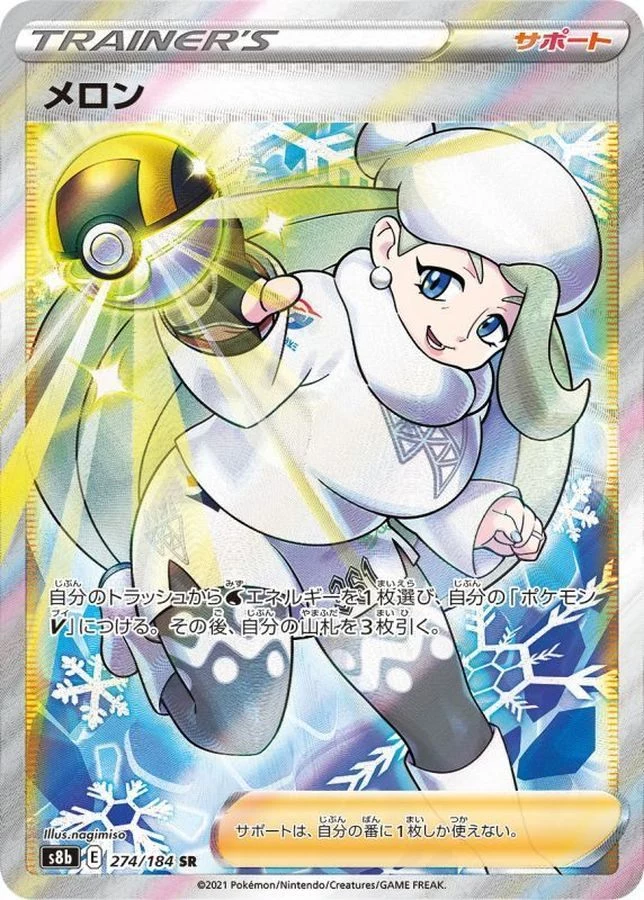
Full art is a separate, physical print style — artwork running the whole face of the card — and it isn’t itself a rarity code. Several higher-tier examples in this guide use a full-art treatment, but the rarity letter and the artwork format remain separate identifiers. For a closer look at what qualifies as full art, and which Japanese prints stand out for it, see our full art identification guide and our roundup of standout full art prints.
The Card-Number Tell: When the Number Exceeds the Set Total
One identification check doesn’t require reading a letter at all: look at the card number printed at the bottom of the card and compare it with the set’s stated total. If the printed number is higher than the total, the card was printed beyond the set’s main numbering run — a pattern that generally signals a secret- or hidden-rare-tier card.
The clearest examples among the products currently listed on our site come from M2a, a set numbered to 193 cards. MEGA Gardevoir ex 226/193 and MEGA Scrafty ex 241/193 both carry numbers well past that 193 ceiling, and both sit in letter tiers already covered above — MA and SAR respectively. This isn’t a rule the Pokemon Company has stated in a press release; it’s a numbering convention you can confirm directly on the cards themselves, visible on the M2a set’s own card entries for these numbers.
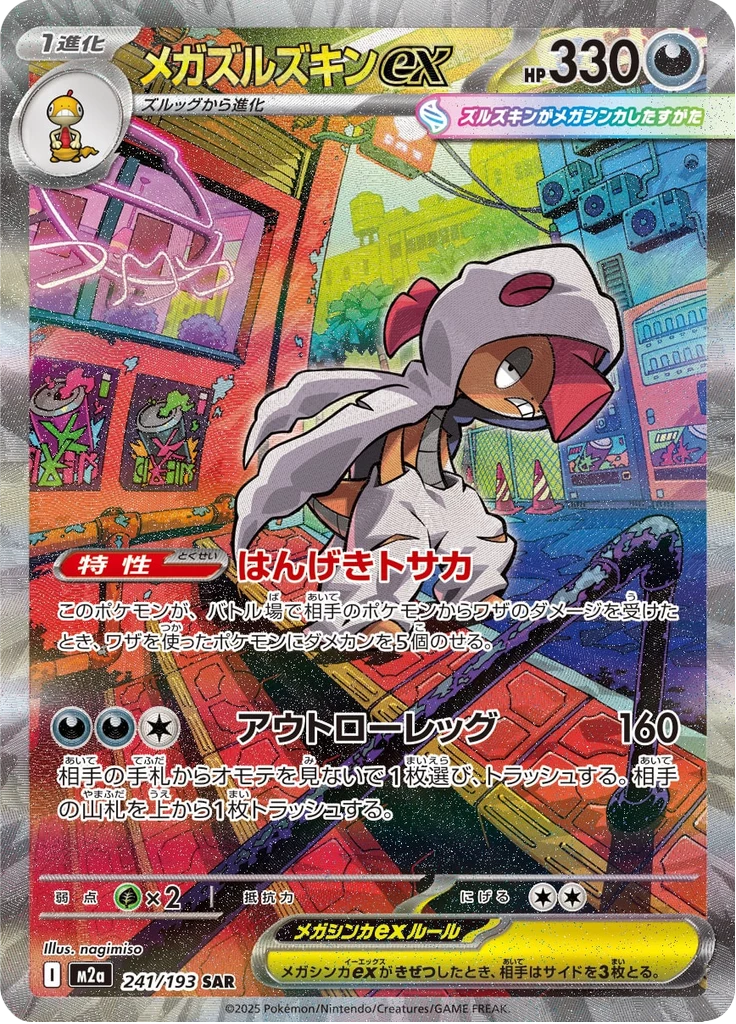
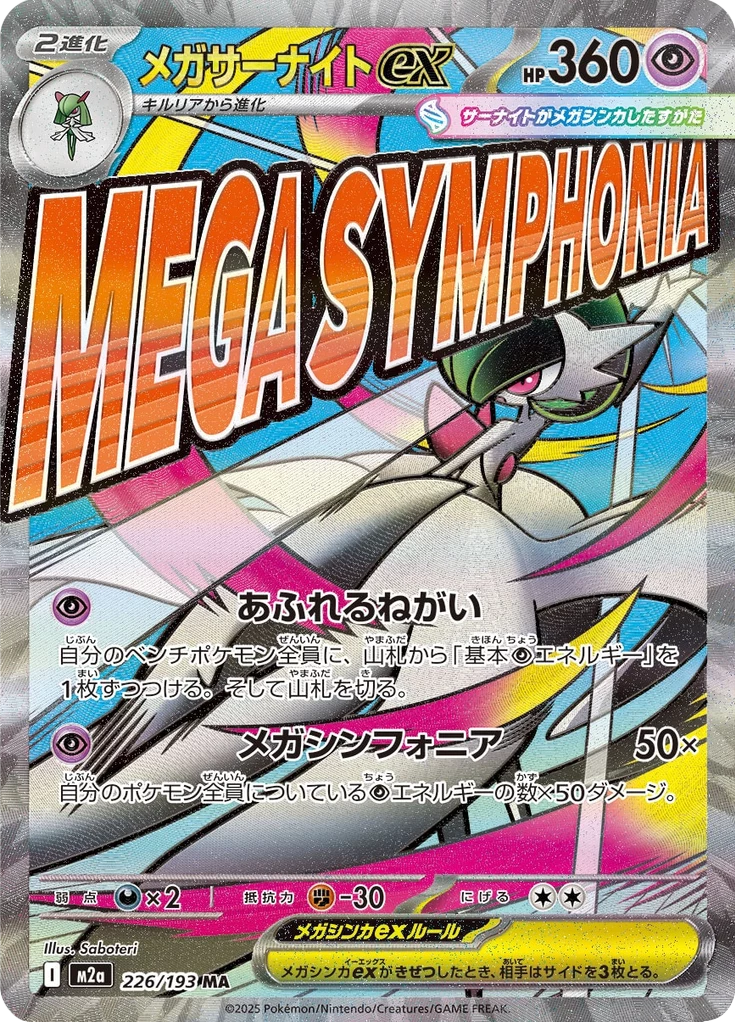
Read the letter code first. If you want a confirming check, compare the card number to the set total — two independent tells agreeing is stronger than either one alone.
1st Edition Stamps and the MA Tier
A 1st Edition stamp is a separate identification layer again — a mark tied to print run rather than rarity tier, and easy to miss if you’re only scanning for a rarity letter. It won’t show up in the rarity-code checks above at all. Our dedicated 1st Edition identification guide walks through exactly what to look for and which Japanese sets carry it.
The newest addition to the letter list is MA — Mega Attack Rare — a tier exclusive to the M-series expansions that launched in 2025–26, including M2a above. Its naming is documented in Japanese-language coverage citing official Pokemon Japan marketing (MA/メガアタックレア) rather than in the older era-by-era rarity tables, which is worth knowing if you’re checking an M-series card against an older chart and coming up blank. For the full MA-tier rundown, see our MA rare cards guide.
Rarity Tells vs Card Value: Two Different Questions
Everything above answers one question: which rarity tier is this card? It doesn’t answer a second, separate question: what is this card worth? A letter code, a full-art print style, or a card number past the set total all describe a print tier and a print run — not current market demand for that specific Pokemon, set, or condition. Two cards carrying the same letter can sit at very different price points, because the letter was assigned at print time and doesn’t move with the market afterward.
Work through identification first — letter code, then the number-versus-total check, then any special marks like 1st Edition. Pricing is a separate exercise, and rarity tier alone won’t answer it for you.
Where to Buy These Rarity Examples from Tokyo
The cards used as examples in this guide are PSA 10-graded singles listed individually on our site:
- PSA10 Melony 274/184 SR (update: currently sold out — restock requests via Quick Order) — currently listed at ¥7,920 (~$50)
- PSA10 MEGA Scrafty ex 241/193 SAR — currently listed at ¥7,634 (~$48)
- PSA10 MEGA Gardevoir ex 226/193 MA (update: currently sold out — restock requests via Quick Order) — currently listed at ¥5,610 (~$35)
- PSA10 Umbreon VMAX 245/184 CSR — currently listed at ¥34,676 (~$218)
Browse the wider PSA 10 graded card collection for more examples across these and other letter tiers, or use Quick Order to build a mixed order of graded singles and sealed product in one pass.
Frequently Asked Questions
What does “rare” mean on a Japanese Pokemon card?
It starts with a three-tier base system — Common (circle), Uncommon (diamond), and Rare (star) — with more exclusive Rare-tier cards marked Ultra Rare. Higher tiers on modern cards are shown as bolded letter codes such as SR, SAR, or UR instead of symbols.
How do I know if my Japanese Pokemon card is a secret rare?
Compare the printed card number with the set’s stated total. If the number is higher than the total — for example, a card numbered 226 in a set with 193 total cards — it was printed beyond the set’s main run, which generally signals a secret- or hidden-rare-tier card.
Does a rarer letter code mean a more valuable card?
Not on its own. The letter code and any number-based tells describe the card’s print tier and print run, not current market demand. Two cards with the same letter can price very differently, so treat rarity identification and pricing as two separate questions.
What does MA mean on a Japanese Pokemon card?
MA stands for Mega Attack Rare, a letter tier exclusive to the M-series expansions launched in 2025–26. It’s documented in Japanese-language coverage citing official Pokemon Japan marketing rather than in older era-by-era rarity tables.
Where exactly does the rarity mark print on the card?
Placement varies by set — bottom corner, side edge, or near the illustration border — so there’s no single universal spot. The reliable check is comparing the card against a reference photo from the same set or generation.
What’s the difference between a rarity letter and a 1st Edition stamp?
They’re separate identification layers. The rarity letter marks the card’s print tier within a set. A 1st Edition stamp is tied to print run instead, and won’t show up when you’re only checking rarity codes — see our dedicated 1st Edition guide for what to look for.
Picked for this article
📩 Get member-only sale alerts & coupons
Sale alerts, coupons and restock notices by email — straight from Tokyo.