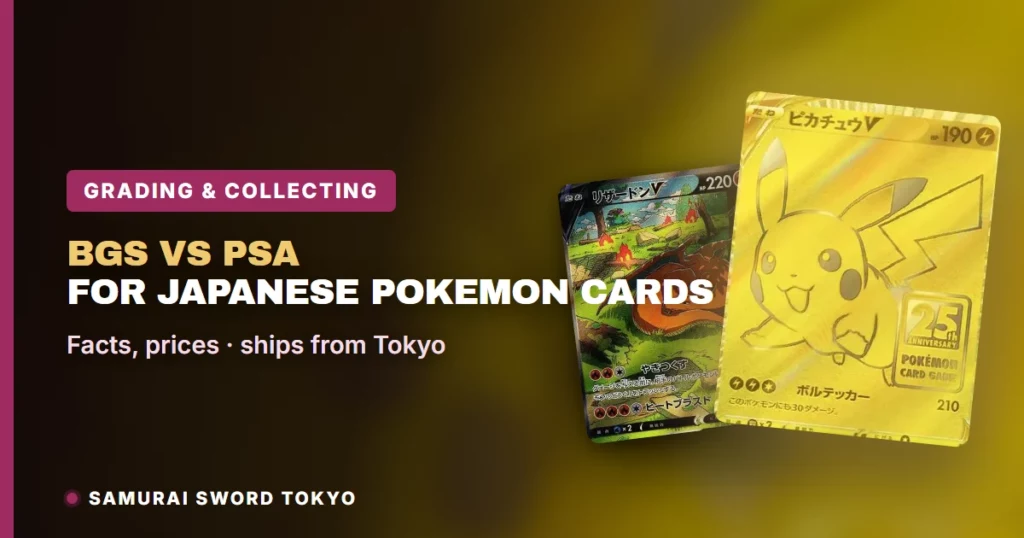
Ask ten collectors which grading company is “best” for a Japanese Pokemon card and you’ll get ten different answers, usually followed by an argument about subgrades. The honest answer, on September 18, 2026, is that we could only fully verify one side of that argument — PSA and CGC both publish their grading language on live pages we could check, while Beckett’s site was offline for maintenance on the day we checked.
This guide lays out exactly what PSA and CGC say about their own Gem Mint 10 grades, what PSA charges to grade a card in the US and in Japan, and what we could and could not confirm about Beckett (BGS). We source and list PSA-graded Japanese singles ourselves, so we’ve also pulled a handful of PSA 10 examples from our own listings to show what the label looks like in practice.
The October 7, 2026 update covers our store listings and prices only; the other facts in this article were last checked on September 25, 2026.
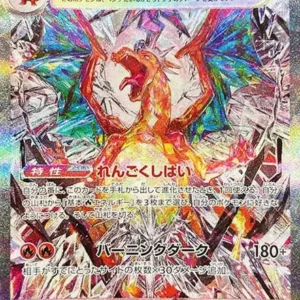
PSA defines a Gem Mint 10 as a card with “four perfectly sharp corners, sharp focus and full original gloss,” centered within “approximately 55/45 percent on the front, and 75/25 percent on the reverse.” CGC’s top grade, Pristine 10, requires centering of “50/50” — tighter than PSA’s published tolerance — with Gem Mint 10 sitting just below it. Beckett’s grading pages were redirecting to a maintenance notice on September 18, 2026, so BGS’s own subgrade definitions could not be checked for this guide. The graded singles we list, including the Charizard ex 134/108 SAR below, are PSA 10 examples. USD figures convert at ¥154/USD, approximate.
Store prices and availability checked October 7, 2026 at 15:29 JST. Marketplace observations retain their stated dates. USD conversions use ¥154 per US dollar.
Three Names, One Question
PSA (Professional Sports Authenticator), CGC Cards and BGS (Beckett) are the three companies collectors compare most often when deciding where to send a Japanese Pokemon card. PSA is the name printed on nearly every graded Japanese card we currently list, so it’s the scale we can speak to with the most direct evidence. Where CGC and BGS publish their own standards, we’ve quoted those pages directly rather than guessing at how the three compare.
What follows is organised around a simple rule: if a company’s page was live and readable when we checked it on September 18, 2026, we quote it. If it wasn’t, we say so instead of filling the gap with a general reputation for the brand.
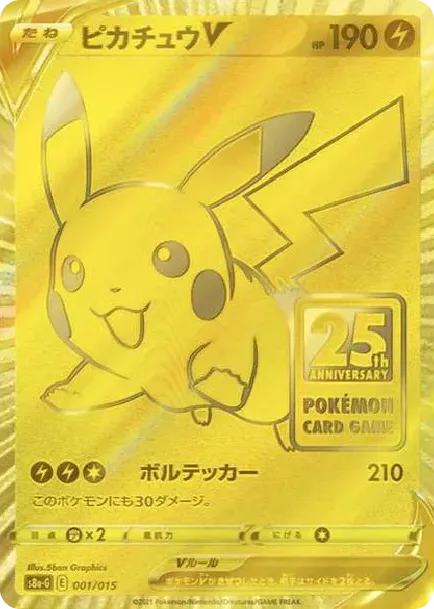
What PSA Says a Gem Mint 10 Is
PSA’s Grading Standards page states its top grade in plain terms:
“A PSA Gem Mint 10 card is a virtually perfect card.” “Attributes include four perfectly sharp corners, sharp focus and full original gloss. A PSA Gem Mint 10 card must be free of staining of any kind, but an allowance may be made for a slight printing imperfection, if it doesn’t impair the overall appeal of the card. The image must be centered on the card within a tolerance not to exceed approximately 55/45 percent on the front, and 75/25 percent on the reverse.”
The same page adds a footnote on discretion: “Centering Note: At the grader’s sole discretion, a small variance may be permitted on occasion based on the card’s overall eye appeal.” PSA also describes grading as partly objective and partly a judgment call: “While it’s true that a large part of grading is objective (locating print defects, staining, surface wrinkles, measuring centering, etc.), the other component of grading is somewhat subjective.” PSA publishes the PSA 10 definition quoted above on its Grading Standards page; that page did not print definitions for other grades such as Mint 9 or NM-MT 8 when we checked it, so readers who want the full ladder should check the page directly.
PSA also separates authentication from grading as two distinct steps: “Authentication is the process of verifying the originality or genuineness of a trading card. Grading is assessing the quality and condition of a trading card using PSA’s 10-point grading scale. Grading can only take place after a trading card has been deemed authentic.” Cards showing “evidence of trimming, re-coloring, restoration, or any other forms of tampering, or are of questionable authenticity” are not graded at all.
CGC’s Scale: Pristine 10 vs Gem Mint 10
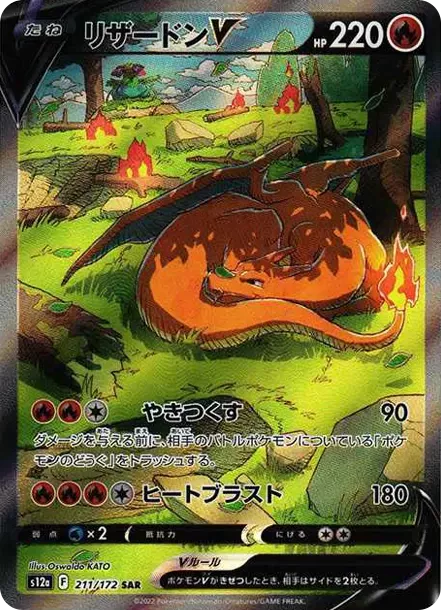
CGC Cards runs a different scale at the very top. Its grading page describes the split directly: “CGC Cards enlisted collectors and dealers across card collecting to arrive at our industry-standard grading scale that offers not only a Gem Mint 10 but also the chase grade — Pristine 10.”
CGC’s own definitions, quoted from its grading-scale page:
- Pristine 10 — “A Pristine 10 is a virtually flawless card to the naked eye. The centering is 50/50, and the card has flawless color and registration.”
- Gem Mint 10 — “A Gem Mint 10 is a card that has received a 10 grade overall; however, one of the grading criteria does not meet the requirements of a Pristine 10.”
- Mint+ 9.5 — “A Mint+ 9.5 is a card that displays premium eye appeal for a Mint card. Qualities such as exceptional centering, surface qualities/color or other key elements can elevate a card to a Mint+ grade.”
- Mint 9 — “A Mint card has four sharp corners with only minor wear visible. Slight minor flaws on the edges may be visible.”
CGC’s page also notes that “Perfect 10” is a retired legacy grade that “retains Perfect 10 status” but is no longer assigned to new submissions. The clearest structural difference from PSA is the 50/50 centering requirement for CGC’s Pristine 10 — a stricter published number than PSA’s 55/45 tolerance for its single top grade. CGC’s page did not list named subgrade categories, so we haven’t invented one here. The cards most often sent for grading tend to be the higher rarities — our Japanese Pokemon card rarities guide covers how AR, SAR, SR and other rarity marks are printed on the card itself.
Where BGS Stands: What We Could Not Check
Both of Beckett’s grading pages — beckett.com/grading and its grading-scale page — redirected to a maintenance notice when we checked on September 18, 2026. The notice reads: “Beckett’s digital platforms, including Beckett.com and the Beckett mobile app, remain temporarily offline while we complete infrastructure enhancements.” It goes on: “Base (with subgrades), Standard, and Express are currently available through the temporary submission form,” and clarifies that “Our digital platforms being temporarily offline does not impact the processing of orders already received by Beckett.” No date was given for when the pages would return.
Because of that, Beckett’s published scale could not be checked on September 18, and we are not going to describe BGS 10, 9.5, Pristine, or Black Label criteria here, since none of that wording was available to quote. If you’re comparing BGS specifically, the most reliable move is to check Beckett’s own grading page directly once it’s back online, rather than relying on a secondhand summary. Everything else in this guide — the PSA and CGC quotes, the PSA fee tables, and the graded Japanese cards we currently list — comes from pages that were live and readable on the day we checked.
What PSA Charges: US vs Japan
PSA’s US service page lists per-card pricing across ten tiers, from Standard up to Premium 10. As printed on September 18, 2026:
| Tier | Price | Max Insured Value | Estimated Turnaround |
|---|---|---|---|
| Standard | $59.99 /Card | $1,000 | 90–100 Business Days* |
| Priority | $79.99 /Card | $1,500 | 70–80 Business Days* |
| Express | $199.00 /Card | $2,500 | 20–30 Business Days* |
| Super Express | $349.00 /Card | $5,000 | 10–15 Business Days* |
| Premier | $599.00 /Card | $10,000 | 7–10 Business Days* |
PSA’s page adds a disclaimer on all of these: “Estimated Turnaround Times are estimates only and not guaranteed. A service level’s Estimated Turnaround Time does not begin until the order has been entered into the grading system.” Its Value and Value Bulk tiers were both marked “Currently Unavailable” on the page at the time we checked.
PSA Japan runs its own tier structure in yen, priced and worded separately from the US page:
| Service level | Price | Estimated turnaround | Declared value ceiling |
|---|---|---|---|
| スタンダード (Standard) | ¥9,980 /card, tax included | 100 business days | ¥150,000 or less |
| プライオリティ (Priority) | ¥11,980 /card, tax included | 80 business days | ¥250,000 or less |
| エクスプレス (Express) | ¥29,980 /card, tax included | 25 business days | ¥400,000 or less |
PSA Japan also published a September 2026 service-level change notice, effective from specific dates: the Express fee moved from ¥22,980 to ¥29,980 “2026年9月10日(木) AM 1:00以降” (“from 1:00am on Thursday, September 10, 2026”), a new Standard tier opened “2026年9月15日(火) AM 7:00より” (“from 7:00am on Tuesday, September 15, 2026”) at ¥9,980, and the old “レギュラー” and “ウォーク・スルー” tier names were renamed to “プライオリティ” and “プレミア” respectively on the same date. PSA Japan’s FAQ also states that submissions are currently accepted only from residents of Japan: “現在、PSA Japanにグレーディングサービスをお申し込みいただけるのは、日本国内にお住まいの方に限らせて頂いております。” (“Currently, only customers residing in Japan may submit to PSA Japan’s grading service.”)
Slabs, Labels and What a Grade Actually Covers
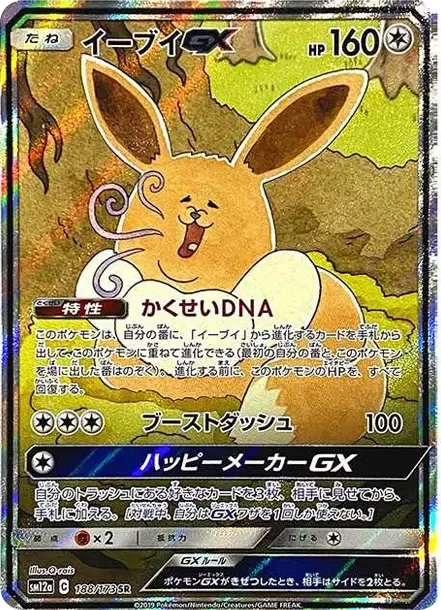
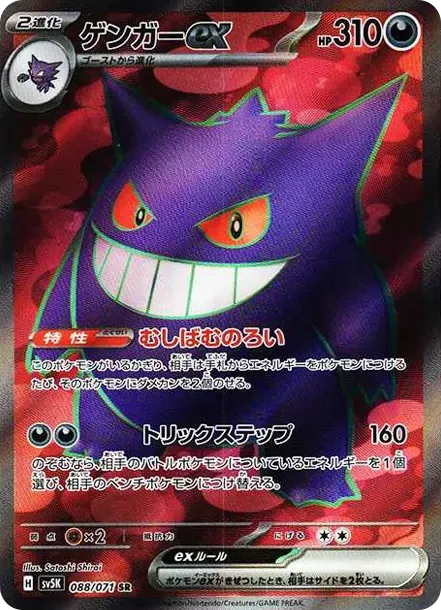
PSA describes encapsulation as its own step, separate from grading itself: “Step 3 Encapsulation PSA encapsulates each card in its own sonically sealed, tamper-evident case. The card’s grade and certification number are displayed on the PSA LightHouse™ label.” The certification number is what lets a buyer independently confirm a slab — our Product Condition Guide page states “The certification number on each slab can be verified on PSA’s official website.”
That same page draws a distinction worth knowing before buying any graded card: “A PSA grade is an assessment of the card itself, not of the slab (case) it is sealed in.” It goes on: “Light surface scratches on the slab, minor whitening or cloudiness, and molding variations are commonly present from the time PSA ships the slab and are not defects.” In other words, a small mark on the plastic case is not a grading issue — the number on the label refers to the card, not the holder around it.
The certification number is exactly what lets a buyer independently confirm a slab like our own Charizard ex 134/108 SAR, one PSA 10 example currently listed on our site.
Our own Japanese Pokemon Card Grading Guide covers PSA, BGS and CGC side by side for readers deciding where to send a card, and our guide to which Japanese cards are worth grading is a useful next stop if you’re weighing whether a specific card is a good submission candidate.
Where to Buy PSA-Graded Japanese Cards
We source and list already-graded Japanese singles, and the graded singles we list are PSA 10 examples. See the Charizard ex 134/108 SAR example above.
Browse the full PSA 10 collection or our wider Japanese Pokemon card collection. If a specific graded card isn’t listed, sourcing requests go through Quick Order.
Frequently Asked Questions
What is PSA’s centering tolerance for a Gem Mint 10?
PSA’s Grading Standards page states the image “must be centered on the card within a tolerance not to exceed approximately 55/45 percent on the front, and 75/25 percent on the reverse,” with a note that graders may allow “a small variance on occasion based on the card’s overall eye appeal.”
How is CGC’s Pristine 10 different from a Gem Mint 10?
CGC’s page describes Pristine 10 as “virtually flawless” with centering of “50/50,” while a Gem Mint 10 is a 10-graded card where “one of the grading criteria does not meet the requirements of a Pristine 10.” Pristine 10 is CGC’s chase grade above Gem Mint 10.
Why doesn’t this guide describe BGS’s subgrade scale?
Beckett’s grading pages redirected to a maintenance notice when we checked on September 18, 2026, saying its digital platforms “remain temporarily offline while we complete infrastructure enhancements.” Since BGS’s own wording wasn’t available to quote, we didn’t guess at its subgrade definitions.
How much does PSA charge to grade a card in the US versus Japan?
PSA’s US Standard tier is listed at $59.99 per card with an estimated 90–100 business day turnaround. PSA Japan’s Standard tier is ¥9,980 per card, tax included, with an estimated 100 business day turnaround, opened as a new tier from September 15, 2026.
Can I submit a card to PSA Japan from outside Japan?
PSA Japan’s own FAQ states that its grading service is currently limited to customers residing in Japan. It also notes that PSA US has paused submissions from outside the US, which has limited some US-routed options for Japan-based customers.
Does a scratch on the PSA case lower the card’s grade?
No. Our Product Condition Guide page states “A PSA grade is an assessment of the card itself, not of the slab (case) it is sealed in,” and that “light surface scratches on the slab, minor whitening or cloudiness, and molding variations” are not defects.
Picked for this article
📩 Get member-only sale alerts & coupons
Sale alerts, coupons and restock notices by email — straight from Tokyo.